No products in the cart.
No products in the cart.


Gambling has a deep-rooted psychological appeal that draws individuals to casinos, often with the promise of instant gratification. The thrill of risking money for the chance of winning big creates a captivating environment where the concept of risk and reward is at the forefront. This psychological tug-of-war makes gambling enticing; players are constantly engaged in evaluating odds, weighing potential losses against possible gains, especially when considering the best betting sites that can enhance their experience. Such decision-making scenarios trigger excitement, and the prospect of winning can be intoxicating, leading to prolonged play and increased bankroll commitment.
Research indicates that the brain’s reward centers are activated when individuals gamble, similar to how they respond to other pleasurable activities like eating or socializing. Neurotransmitters such as dopamine surge, particularly when players experience small wins or near misses. This phenomenon is known as the “near-miss effect,” where players feel more encouraged to continue playing after receiving close calls on their bets. Such psychological mechanics create a cycle that can keep individuals engaged even when they are losing, blurring the lines between rationality and impulsive behavior.
Moreover, casinos are designed to enhance the immersive experience of gambling. From the vibrant colors and sounds of slot machines to the strategic placement of tables, every element is curated to stimulate the senses and prolong the experience. This sensory overload can create a euphoria-like state, making it difficult for players to leave or disengage. Casinos often use this knowledge to their advantage, crafting an atmosphere that fosters ongoing participation and encourages players to chase that elusive big win. The combination of risk and reward creates a potent psychological cocktail that can be hard to resist.
The psychology of gambling is intimately intertwined with various illusions and superstitions that players commonly hold. Many gamblers develop personal rituals or beliefs around luck, often believing that specific actions or items can influence their chances of winning. For example, a player may carry a lucky charm or perform a particular gesture before placing a bet, convinced it will bring them fortune. These behaviors stem from a psychological concept known as “magical thinking,” where individuals attribute outcomes to their actions despite no causal relationship.
This strong reliance on superstitions can profoundly impact decision-making processes. Players may ignore statistical probabilities in favor of their beliefs, often leading to irrational betting patterns. The “hot hand fallacy,” where players believe they are on a winning streak, further exemplifies this phenomenon. The emotional highs associated with gambling can cloud judgment, pushing individuals to take risks they might otherwise avoid. This not only perpetuates the cycle of gambling but also increases the potential for developing gambling-related problems.

Casinos often capitalize on these superstitions, creating an environment that fosters magical thinking. For instance, machines might have designated “lucky” symbols or themes, and the positioning of games can reinforce these beliefs. By ensuring that elements of chance are visible and tangible, casinos create a sense of control that keeps gamblers engaged. This manipulation of psychological elements highlights the delicate balance between entertainment and the risk of addiction, making it essential for players to remain mindful of how their perceptions may affect their gambling behavior. Understanding these psychological underpinnings can help players navigate their experiences more cautiously.
Gambling is inherently a social activity, influencing and being influenced by the dynamics of group behavior. Social interactions in casinos can heighten the excitement of play, as individuals often feed off one another’s energy. The environment of camaraderie can lead to group betting behaviors or collective decision-making—often referred to as “social contagion.” This phenomenon occurs when individuals within a group mimic the betting habits of others, whether they are winning or losing. Such dynamics can escalate risk-taking, as group members may feel empowered to place larger bets due to peer influence.
Additionally, the social aspect of gambling can also impact emotions and accountability. Players may experience a sense of belonging when participating in group activities, often leading to increased betting when surrounded by friends. The joy of sharing wins or the collective experience of losing can create a bond that reinforces continued engagement. However, this social dimension can also mask the consequences of gambling, as individuals may dismiss their losses by rationalizing them in the context of social enjoyment.
Ultimately, understanding the interplay of social dynamics within casinos is crucial for players. While the social aspect can enhance the enjoyment of gambling, it also poses risks when the boundaries of responsible gambling become blurred. Recognizing the role of social influence can empower individuals to make more informed decisions and encourage healthier gambling practices, ensuring that the experience remains enjoyable without crossing into problematic behaviors. By fostering a responsible gambling environment, players can enjoy the social aspects without falling into the traps of peer pressure and irrational decision-making.
The emotional journey experienced during gambling is a critical aspect of its psychological appeal. Players often encounter a wide array of emotions, ranging from euphoria during wins to despair during losses. This rollercoaster of feelings contributes to the compelling nature of gambling, as players chase the emotional high that comes with winning. The anticipation of hitting a jackpot or receiving a payout evokes excitement and can create a sense of urgency that keeps players engaged, sometimes leading to extended periods of play. The highs and lows of the gambling experience form a powerful psychological cycle.
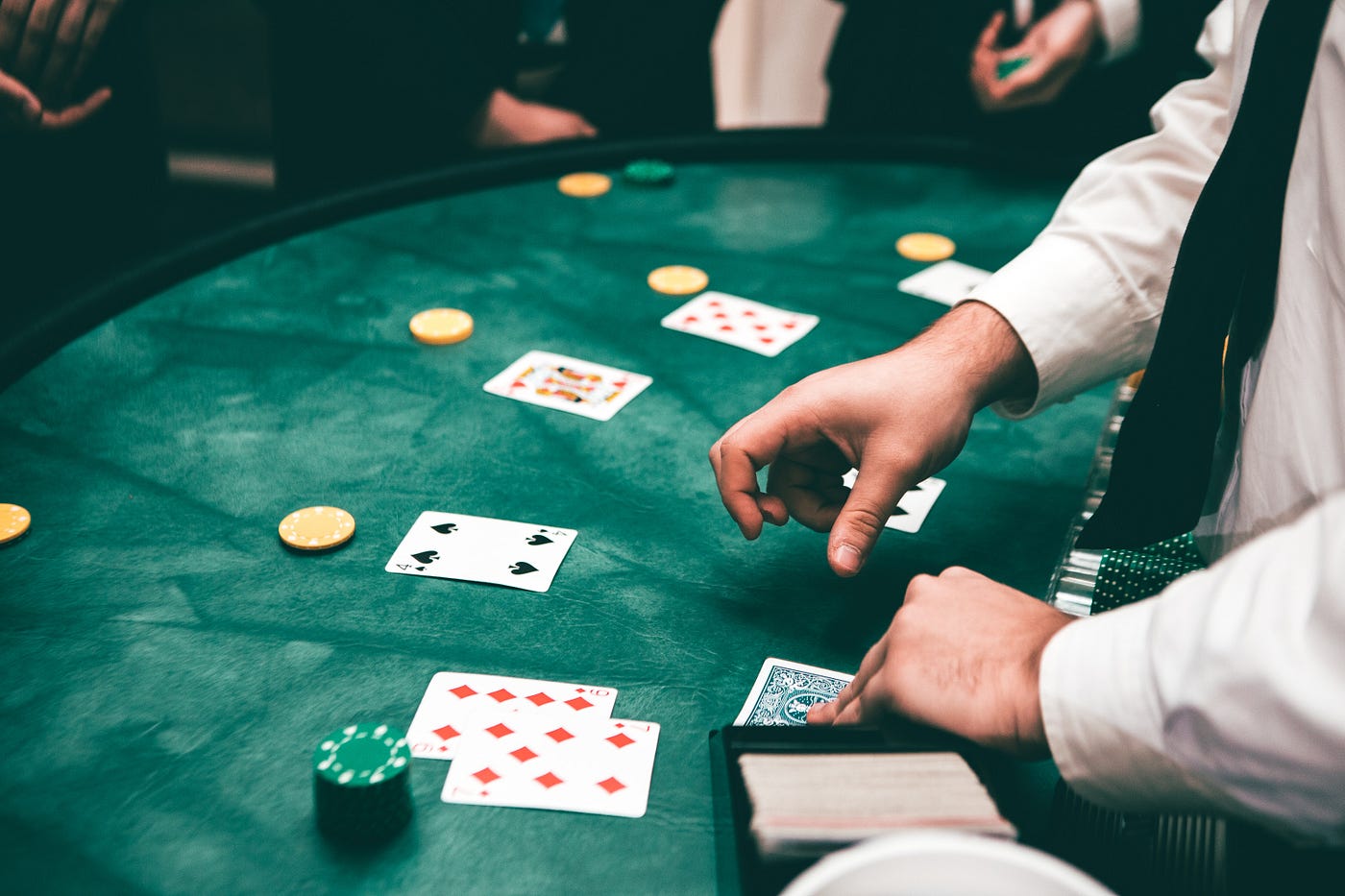
The volatility of emotions can also lead to addictive behaviors. For some players, the lows of losing may trigger a desire to chase losses, pushing them to gamble more in hopes of recouping their funds. This mindset can lead to increasing stakes and diminished self-control, as individuals become more focused on the thrill rather than the risks involved. The peaks and valleys of gambling emotions become a cycle that can be difficult to break, reinforcing the need for awareness and self-regulation. Recognizing these emotional triggers is essential for maintaining a balanced approach to gambling.
Furthermore, understanding the emotional aspect of gambling encourages players to approach it with a balanced mindset. Recognizing that losses are a natural part of the experience can help players maintain perspective and avoid reckless decisions driven by emotion. Casinos are aware of this emotional volatility and often use it to their advantage in marketing strategies, further emphasizing the highs while minimizing the focus on the lows. Players must remain vigilant to ensure that the emotional allure of gambling does not compromise their financial well-being or overall mental health. By developing emotional intelligence regarding their gambling habits, individuals can foster healthier relationships with gaming.
Exploring the psychology of gambling in casinos reveals the complex interplay of risk, illusion, social dynamics, and emotional experiences that draw individuals to gaming environments. By understanding these aspects, players can make more informed decisions and develop healthier gambling habits. The insights gained from this exploration underscore the importance of responsible gaming practices, highlighting the need for awareness regarding personal limits and the potential impact of gambling behaviors on mental health. Such knowledge is vital for fostering a sustainable and enjoyable gambling experience.
In promoting responsible gaming, many organizations and industry stakeholders emphasize the significance of education and awareness. Resources are available to help individuals understand their gambling habits, enabling them to identify potential risks and seek help if necessary. This proactive approach can mitigate the adverse effects of gambling and ensure that it remains a source of entertainment, rather than a pathway to addiction. Encouraging players to engage in self-reflection and self-assessment can contribute to healthier gaming habits.
Ultimately, as one delves into the psychology behind gambling, the importance of self-awareness and responsible practices cannot be overstated. By fostering a culture of mindfulness and accountability, casinos and gamblers alike can create an environment where the thrill of gaming can be enjoyed without negative repercussions. With education and understanding at the forefront, the gaming experience can become not just about chance, but also about personal growth and responsible enjoyment. Encouraging a dialogue around responsible gaming will benefit players and the industry as a whole, creating a safer and more enjoyable experience for everyone involved.
