No products in the cart.
No products in the cart.


The fascinating journey of casino evolution through the ages
The history of casinos can be traced back thousands of years, with evidence of gambling activities appearing in ancient civilizations. In Mesopotamia, around 3000 BC, people used dice made from various materials to engage in games of chance. Similarly, in ancient China, the invention of tiles led to gambling games, providing a glimpse into humanity’s long-standing fascination with risk and reward. Today, many are drawn to the allure of a real money online casino, reflecting how traditions have evolved.
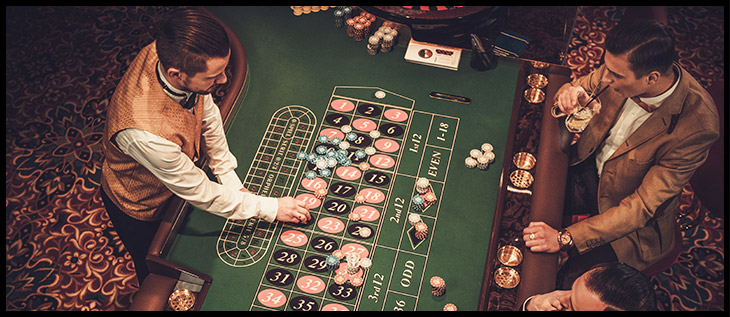
As societies evolved, so too did the forms of gambling. The Greeks and Romans enjoyed betting on various events, including gladiatorial contests and horse racing. The cultural significance of these activities highlighted the social bonds formed through shared experiences and the thrill of competition. This foundation laid the groundwork for the future establishment of organized gaming venues.
The 17th century marked a pivotal moment in the evolution of casinos, particularly in Europe. The first official casino, the Ridotto, opened its doors in Venice in 1638. This establishment was designed to provide a controlled environment for gambling, and it quickly became a popular social hub. The concept of casinos began to take shape, blending entertainment with the allure of wagering.
Throughout the 18th and 19th centuries, casinos spread across Europe, particularly in France and Germany. The famed Monte Carlo Casino opened in Monaco in 1863, elevating the casino experience to new heights with its luxurious offerings and opulent architecture. This period solidified the casino as a prominent fixture in European culture, serving as a symbol of wealth and social status.
The casino landscape in America began to flourish in the 20th century, particularly in the early years of Las Vegas. Originally established as a desert town, Las Vegas transformed into a gambling oasis following the legalization of casino gaming in Nevada in 1931. This shift attracted entrepreneurs and investors, leading to the construction of extravagant hotels and casinos that epitomized the American Dream.
The iconic Las Vegas Strip emerged as a global center for entertainment, featuring themed resorts that catered to a diverse audience. Over the decades, casinos diversified their offerings, integrating shows, fine dining, and shopping experiences. This innovation not only revitalized the gambling industry but also solidified the cultural significance of casinos in American society.
The advent of the internet in the late 20th century introduced a new chapter in the casino narrative. Online casinos emerged in the mid-1990s, allowing players to enjoy traditional games from the comfort of their homes. This technological revolution democratized gambling, making it accessible to a wider audience and paving the way for rapid industry growth.
The online casino market has evolved to incorporate cutting-edge technology such as live dealer games, virtual reality, and mobile gaming. These advancements have not only enhanced the user experience but also maintained the cultural relevance of casinos in an increasingly digital world. Players can now engage in a rich tapestry of gaming experiences that reflect both tradition and innovation.

The casino industry continues to adapt to changing societal norms and technological advancements. Trends such as responsible gaming and the integration of artificial intelligence are becoming increasingly important as casinos strive to create safer and more inclusive environments. The cultural significance of casinos is also evolving, as they become venues for social interaction and community engagement rather than merely places for gambling.
As the landscape transforms, the importance of understanding the historical journey of casinos remains crucial. This rich heritage informs current practices and guides the future trajectory of the industry, ensuring that casinos continue to hold a unique place in cultural and social contexts around the world.
