No products in the cart.
No products in the cart.


Luck plays a pivotal role in gambling, often perceived as the primary factor determining success at gaming tables and slot machines. However, luck is largely a concept tied to randomness rather than a dependable strategy. This misconception leads many gamblers to believe that they can control or influence outcomes through various means, such as superstitions or rituals, which can sometimes be a gamble in itself, especially when considering options like ontario casino fast withdrawal services. Understanding luck’s role is crucial for developing a realistic perspective on gambling.

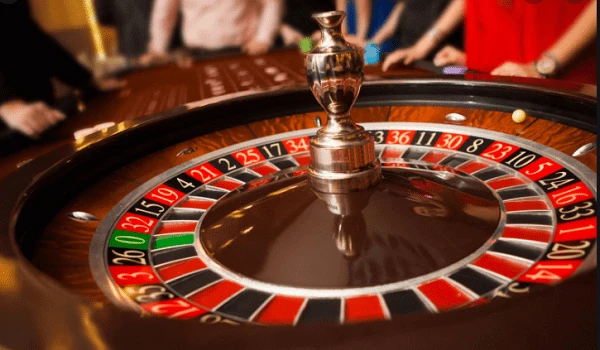
Many gamblers believe in patterns or streaks, thinking that past outcomes can predict future results. This belief forms the foundation of the gambler’s fallacy, where individuals assume that previous losses must lead to a win eventually. For example, a player may think that if a roulette wheel has landed on red several times in a row, black is “due” to occur. However, each spin is an independent event, highlighting the randomness that underpins gambling.
Furthermore, the illusion of luck can be reinforced by anecdotal stories of big winners, making it seem as if fortune can be repeatedly captured. Notably, such stories often overlook the majority of players who lose. This skewed perception can lead to unrealistic expectations and, ultimately, disappointment when luck does not favor the player. Recognizing that luck is unpredictable and does not guarantee victory can help gamblers approach their activities with a healthier mindset.
In the world of gambling, superstitions abound, with players often adhering to specific rituals, charms, or habits they believe will bring them good fortune. For instance, many individuals consider carrying a lucky coin or wearing certain colors to be essential for enhancing their odds. These beliefs can stem from cultural practices, personal experiences, or even popular media portrayals of luck. However, it’s crucial to realize that these superstitions have no bearing on the actual outcomes of games.
Research shows that such rituals can provide psychological comfort or a sense of control, which can enhance the gambling experience. For example, a player who believes that a lucky charm will improve their chances may feel more confident and relaxed. This feeling can lead to more enjoyable gameplay, but it does not alter the statistical probabilities inherent in the games themselves, which remain fixed and unaffected by psychological factors.
Moreover, the community aspect of gambling often encourages the perpetuation of these superstitions. Players share stories and anecdotes that reinforce the idea that certain actions or beliefs can influence luck. As a result, new gamblers may adopt these rituals in an attempt to replicate the perceived successes of others. Over time, this creates a culture where superstitions feel deeply embedded, despite their lack of empirical support when it comes to actual winning outcomes.
While many gambling activities are heavily influenced by chance, certain games—including poker and blackjack—also rely on skill and strategy. Understanding the difference between skill-based games and those driven purely by luck is essential for both novice and experienced players. In games of chance, the odds are strictly governed by random events, while skill games allow players to implement strategies that can significantly influence their success.
Take poker, for example. Success in poker is not solely about the cards you’re dealt; it also involves reading opponents, understanding betting patterns, and implementing psychological tactics. Players who invest time in honing their skills can improve their chances of winning over the long term, even if luck still plays a critical role at any given moment. This combination of skill and luck often blurs the lines for many gamblers, leading to misconceptions about which element is more impactful.
On the other hand, slot machines are purely luck-driven, with outcomes determined by random number generators. Players may be tempted to manipulate their approach, believing they can impact the results. However, understanding that these machines are designed for randomness can help set realistic expectations. Acknowledging the dichotomy between skill and chance allows gamblers to choose games that align with their understanding of luck, enhancing their overall gaming experience.
One of the most concerning myths surrounding luck in gambling is the belief that it can lead to addiction. Gamblers often chase losses, mistakenly believing that their next session will be the one where they finally turn their luck around. This dangerous mindset can result in individuals engaging in reckless behavior, potentially leading to financial ruin and emotional distress. Understanding the role of luck—and how tenuous it can be—may help mitigate these addictive tendencies.
Furthermore, the pursuit of luck can lead to cognitive distortions where individuals fail to recognize their gambling behavior as problematic. Gamblers may downplay their losses or convince themselves that they are due for a win, reinforcing their gambling habits. Recognizing that luck is not a reliable partner in gambling can be a helpful step toward seeking help and addressing the underlying issues that contribute to gambling addiction.
Addressing these misconceptions also involves education about the odds and probabilities inherent in gambling. By understanding that games are designed to favor the house, players can make more informed decisions about their gambling habits. Knowledge can empower individuals to gamble responsibly, focusing on entertainment rather than the false hope of luck, reducing the risk of addiction and promoting healthier gaming habits.
As individuals navigate the complexities of gambling, finding trustworthy resources is vital. Websites dedicated to responsible gambling provide valuable insights into understanding the nature of luck, skill, and addiction. These platforms often offer educational content that helps players grasp what they can realistically expect from their gaming experiences while promoting responsible play. This balance ensures that gambling remains an enjoyable pastime rather than a source of distress.
These websites frequently feature articles, expert advice, and support networks aimed at creating a safer gambling environment. By engaging with these resources, players can better understand the dynamics of luck in gambling and make more informed choices. Responsible gambling initiatives and awareness campaigns emphasize the importance of approaching gambling with a clear understanding and a commitment to moderation.
Ultimately, educating oneself about the myths surrounding luck can lead to smarter, healthier gambling practices. By prioritizing balance and knowledge over superstition and misplaced beliefs, players can enjoy their gaming experiences while minimizing the potential negative consequences associated with gambling. Embracing a realistic view of luck fosters a safer and more enjoyable gambling environment for everyone involved.