No products in the cart.
No products in the cart.


Alex, a 23‑year‑old mid‑lane player, watched the 2024 Global League final from his bedroom, screen flickering with commentary and split‑screen action. The match lasted 48 minutes, but the live‑stream kept him glued for 120 minutes because the broadcaster added instant‑replay overlays, a live stats panel, and real‑time chat polls. Those extra layers turned a simple 48‑minute game into an event that felt like a live theatre show.
Before live‑streaming, coaches could only review replays weeks later. Now, a dedicated analytics overlay shows each team’s kill‑death ratio every 30 seconds, the average gold per minute, and the exact time a player’s ultimate was activated. In the 2024 final, the audience saw that the winning team had a 1.8 kill‑death ratio during the first 20 minutes, a 15% higher gold per minute than their opponents, and that their ultimate usage peaked at 12:34. That kind of data lets fans understand why a particular play worked, and it forces teams to adapt on the fly.
Live‑stream platforms now host interactive polls that let viewers vote on which champion the next player should pick. In one match, 42% of the audience chose “Jinx” for the next draft round. The team’s coach, seeing the poll result, switched to a more aggressive build that matched the crowd’s preference. The stream also includes a “cheer” feature that rewards viewers with in‑game items when they hit a certain threshold of virtual applause. These mechanics keep casual viewers invested and give them a sense of ownership over the outcome.
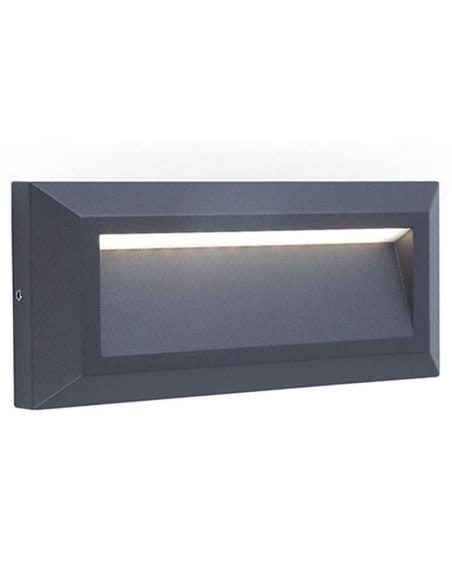
For those who want to bring the same level of excitement to their own gaming setups, designyourhousesign.co.uk offers customizable LED panels that sync with in‑game events, turning a regular room into a live‑stream arena.
Previously, aspiring players needed to travel to a local arena, pay for equipment, and secure a team to compete. Live‑streaming now allows a solo player to broadcast their practice sessions, gather a following, and attract sponsorships from home. In 2023, a 19‑year‑old player from a small town earned a $50,000 contract after a single streamed tournament win. The cost of entry has dropped from $5,000 in travel and gear to under $1,000 for a decent webcam and a stable internet connection.
Broadcasters no longer rely solely on sponsorships. They now generate income through micro‑transactions: viewers buy “boosts” that temporarily increase a player’s in‑game health or provide a one‑time shield. In the 2024 Global League, the average viewer spent $3.50 on boosts, totaling $1.2 million in revenue for the event. This model keeps the stream free for the majority while still offering fans a way to contribute directly to their favorite teams.
Live‑streaming has transformed esports from a niche spectacle into a mainstream entertainment medium. By providing real‑time analytics, interactive features, and new revenue streams, it has lowered barriers for both players and viewers. The result is a more transparent, engaging, and financially sustainable ecosystem that rewards skill, creativity, and community participation. As the technology evolves, we can expect even richer overlays, deeper audience integration, and a blurring line between spectator and participant.
The broadcaster added instant‑replay overlays, a live stats panel, and real‑time chat polls, turning a 48‑minute game into a 120‑minute immersive event.
They provided instant visual context for key plays, allowing viewers to analyze strategies in real time and feel more connected to the action.
